Science

Oxygen Tolerance Found in Ancestors of Complex Life
Science

Oxygen Tolerance Found in Ancestors of Complex Life

Scientists at The University of Texas at Austin have discovered evidence that Asgard archaea, close relatives of eukaryotes, can tolerate or utilize oxygen. This discovery may clear the longstanding mystery of how two different microbes combined to form complex life despite differing oxygen requirements. With evolved tolerance to oxygen, these Asgards may have created a partnership with alphaproteobacteria, leading to the development of mitochondria and, ultimately, all plants, animals, and fungi. Research highlights include an extensive genomic analysis, doubling the genetic diversity and enzymatic classes within Asgard archaea, and using AI to predict protein structures linked to oxygen metabolism.

Feb 20, 2026, 1:21 AM · 12 views

Read more
Investigators Blame NASA and Boeing for Starliner Failures
Science

Investigators Blame NASA and Boeing for Starliner Failures

An investigation into the failed flight of Boeing's Starliner to the International Space Station in 2024 revealed technical and management errors by NASA and the aerospace company. The errors resulted in astronauts Butch Wilmore and Suni Williams spending nine months on the station, much longer than the expected eight days. The report highlighted issues with decision-making and leadership at NASA that could jeopardize astronaut safety, emphasizing the need for cultural changes to ensure human spaceflight compatibility.

Feb 20, 2026, 12:43 AM · 9 views

Giant Virus Ushikuvirus May Alter Understanding of Life's Origins
Science

Giant Virus Ushikuvirus May Alter Understanding of Life's Origins

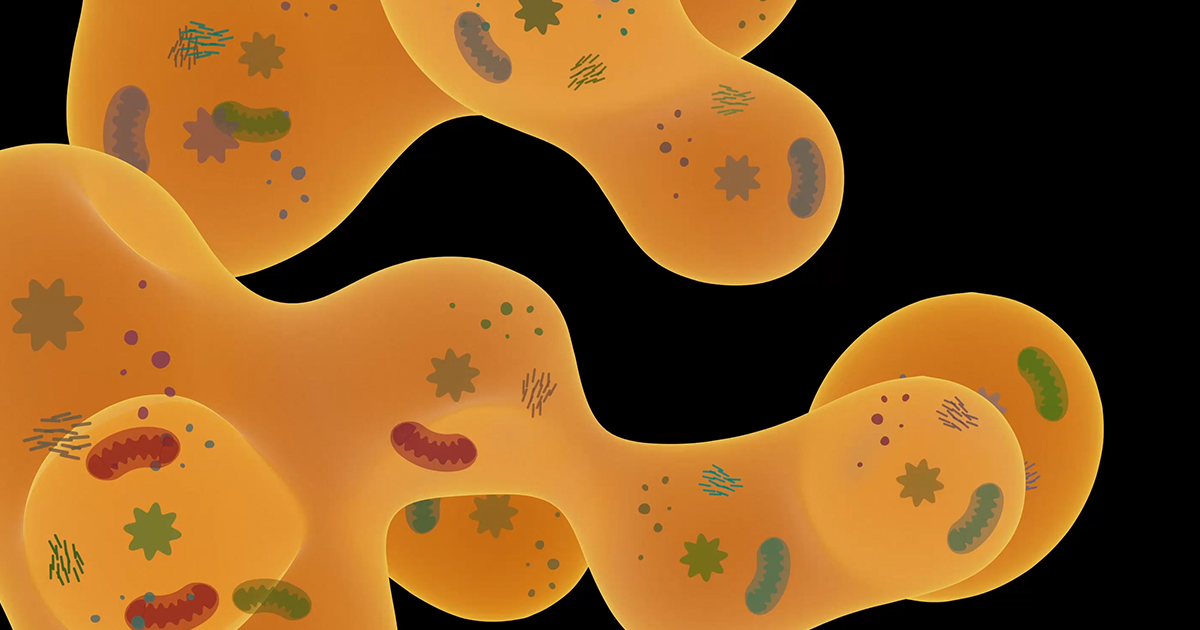
The discovery of the giant virus ushikuvirus in Japan may influence the ongoing debate about the evolution of complex life forms. According to Professor Masaharu Takemura and his team, viruses could have played a major role in the development of the eukaryotic cell nucleus. This theory, known as viral eukaryogenesis, posits that a large DNA virus, instead of destroying its host, established a stable presence that eventually evolved into the nucleus. Ushikuvirus shows characteristics that bridge different giant DNA virus families, offering insights into virus-host interactions and cellular evolution. The research also proposes potential healthcare implications, especially in treating infections caused by amoebae, which are further areas for study.

Feb 19, 2026, 10:28 PM · 23 views

Rare Sighting of Sleeper Shark in Antarctic Leads to New Discoveries
Science

Rare Sighting of Sleeper Shark in Antarctic Leads to New Discoveries

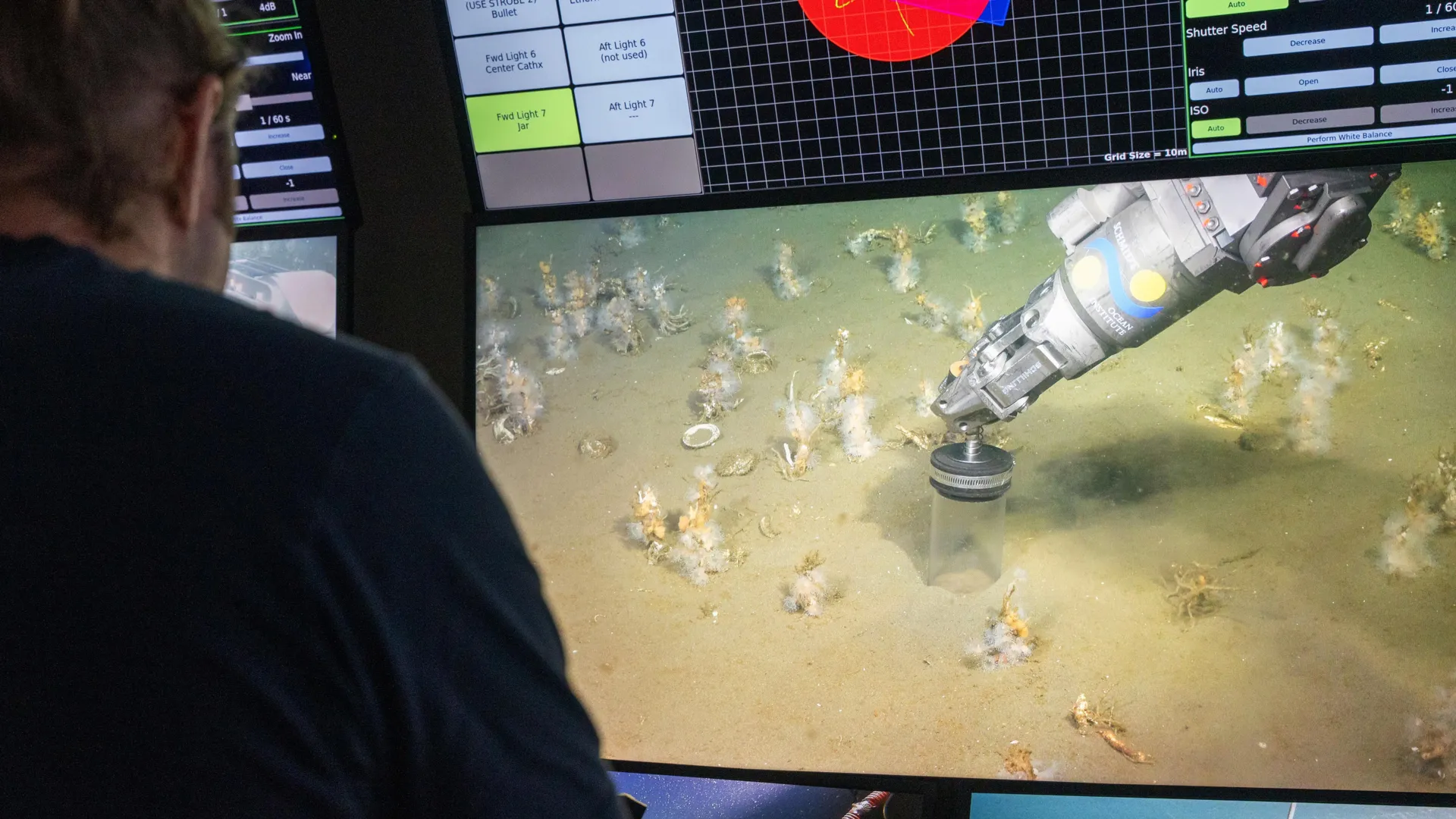
Researchers captured rare footage of a 10-to-13-foot sleeper shark in Antarctic waters, potentially marking the first sighting of the species in that southern region. The discovery, made during an expedition aiming to document biodiversity in the South Shetland Trough, surprised experts like Alan Jamieson from the University of Western Australia. This observation hints at a broader geographical range for these enigmatic creatures, raising questions about shark populations in Antarctica.

Feb 19, 2026, 4:57 PM · 2 views

Gene Discovery Offers Hope for Banana Disease Resistance
Science

Gene Discovery Offers Hope for Banana Disease Resistance

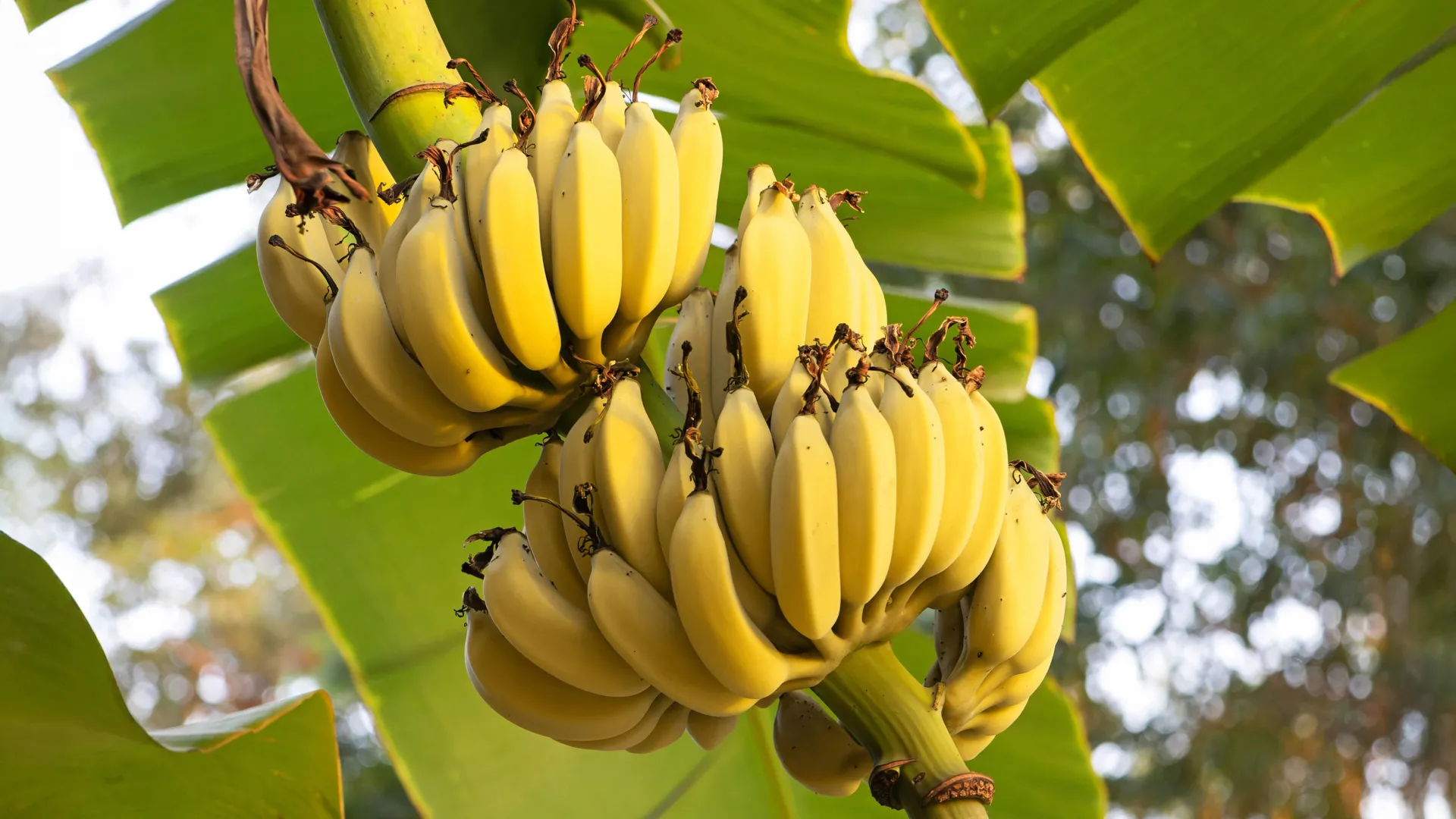
Researchers at The University of Queensland have discovered a genetic region in a wild banana that can resist Fusarium wilt Subtropical Race 4, a significant threat to Cavendish bananas. Led by Dr. Andrew Chen and Professor Elizabeth Aitken, the study identified this resistance within the wild diploid banana, Calcutta 4. The team successfully mapped the resistance to chromosome 5 after crossbreeding with susceptible bananas and testing the offspring. This five-year research combines advanced genetic techniques and opens the door for developing molecular markers for efficient disease-resistant banana breeding.

Feb 19, 2026, 9:43 AM · 9 views

Atom-Sized Gates Revolutionizing Technology
Science

Atom-Sized Gates Revolutionizing Technology

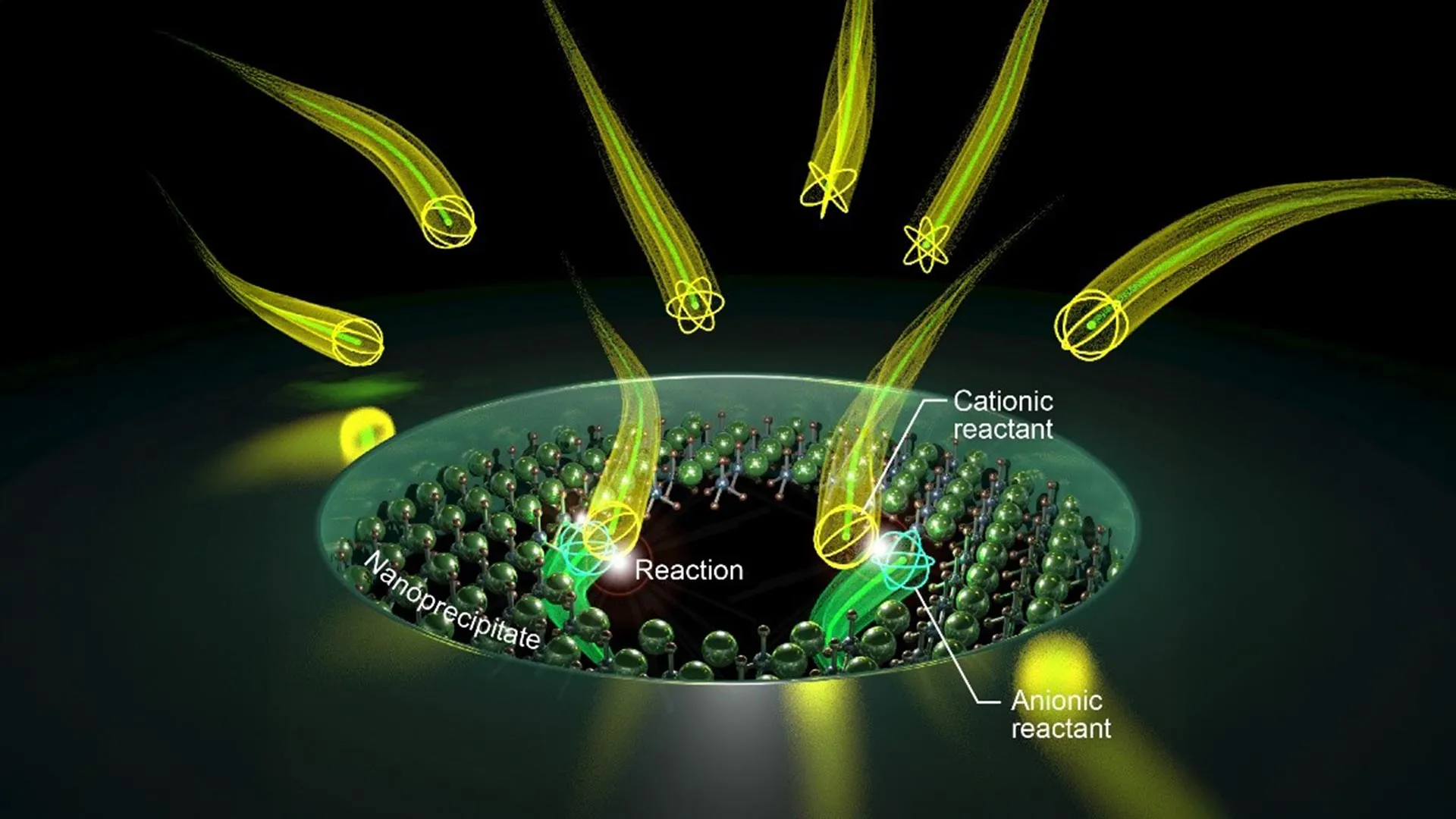
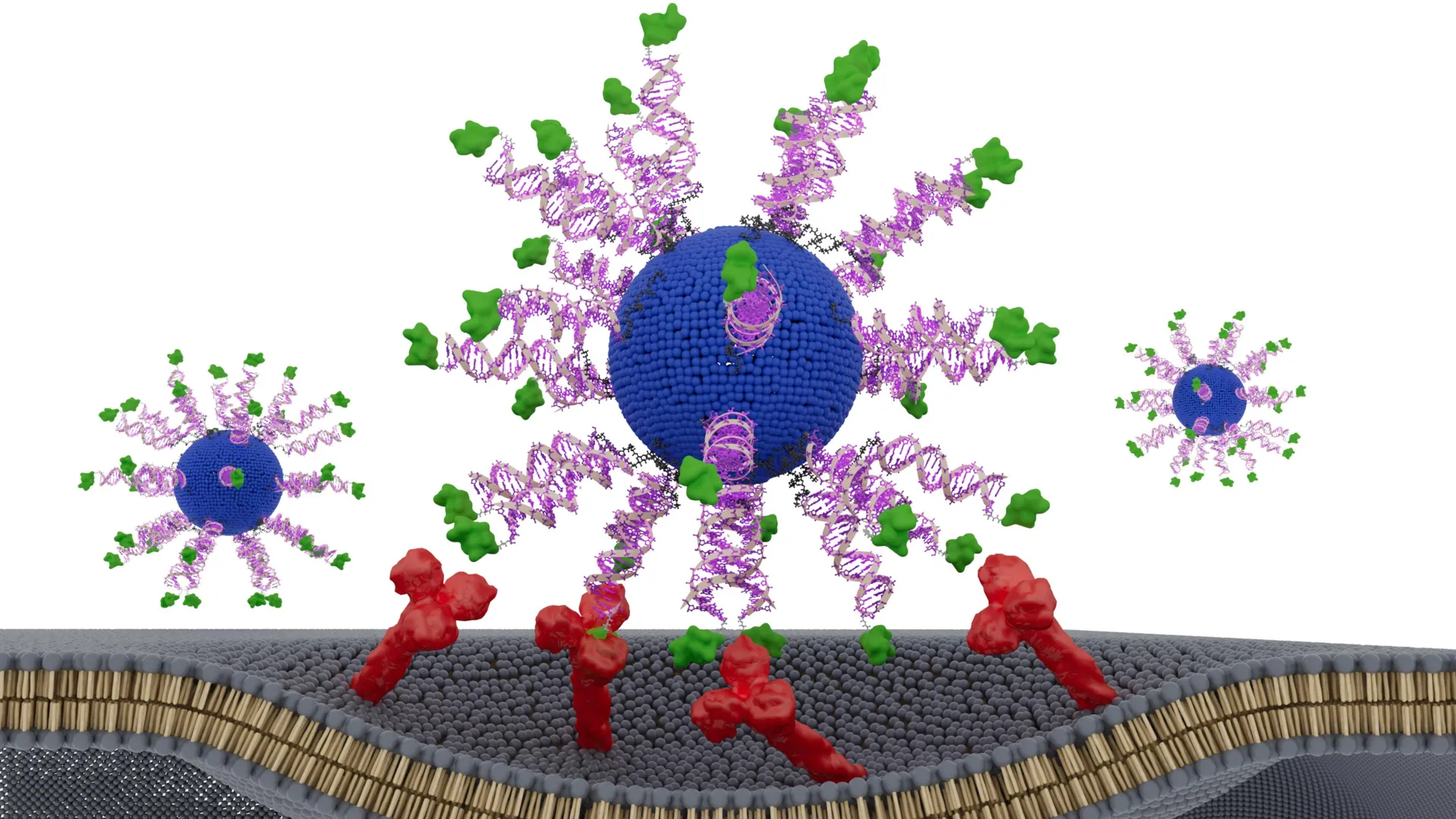
Scientists at The University of Osaka have mimicked nature's tiniest ion channels by creating subnanometer pores. These pores, formed in a silicon nitride membrane by an electrochemical reactor, demonstrate a robust, controllable system. The team observed current spikes similar to biological ion channels and fine-tuned pore behavior by adjusting chemical compositions. This innovation could advance single-molecule sensing, DNA sequencing, and neuromorphic computing through ultrasmall pore applications.

Feb 19, 2026, 9:20 AM · 13 views

Scientists Discover New Cause for Chronic Constipation
Science

Scientists Discover New Cause for Chronic Constipation

Scientists from Nagoya University have identified two gut bacteria, Akkermansia muciniphila and Bacteroides thetaiotaomicron, responsible for chronic constipation by degrading the colon's protective mucus layer. This mucus is vital for lubricating the colon and keeping stool moist. The breakdown leads to hard, dry stool, rendering traditional laxatives ineffective. Moreover, higher levels of these bacteria have been found in Parkinson's patients, linking gut bacteria to early symptoms. Blocking the mucus-degrading enzyme in mice showed promising results in preventing constipation. This research suggests targeting bacterial activity could be a new treatment approach.

Feb 19, 2026, 8:46 AM · 13 views

Brain Development Extends Into Early 30s: New Findings
Science

Brain Development Extends Into Early 30s: New Findings

The widespread notion that the frontal lobe fully develops by 25 is being questioned by new studies. Initial research, based on limited age data, assumed brain maturation concludes mid-twenties. However, recent imaging of over 4,200 individuals reveals that complex brain wiring progresses well into the 30s. This period, termed 'adolescence', involves vital processes of integration and segregation within the brain. The study found that after early 30s, these developmental patterns shift, emphasizing stabilization over growth.

Feb 19, 2026, 2:54 AM · 10 views

5,500-Year-Old Swedish Burial Mystery Solved by DNA
Science

5,500-Year-Old Swedish Burial Mystery Solved by DNA

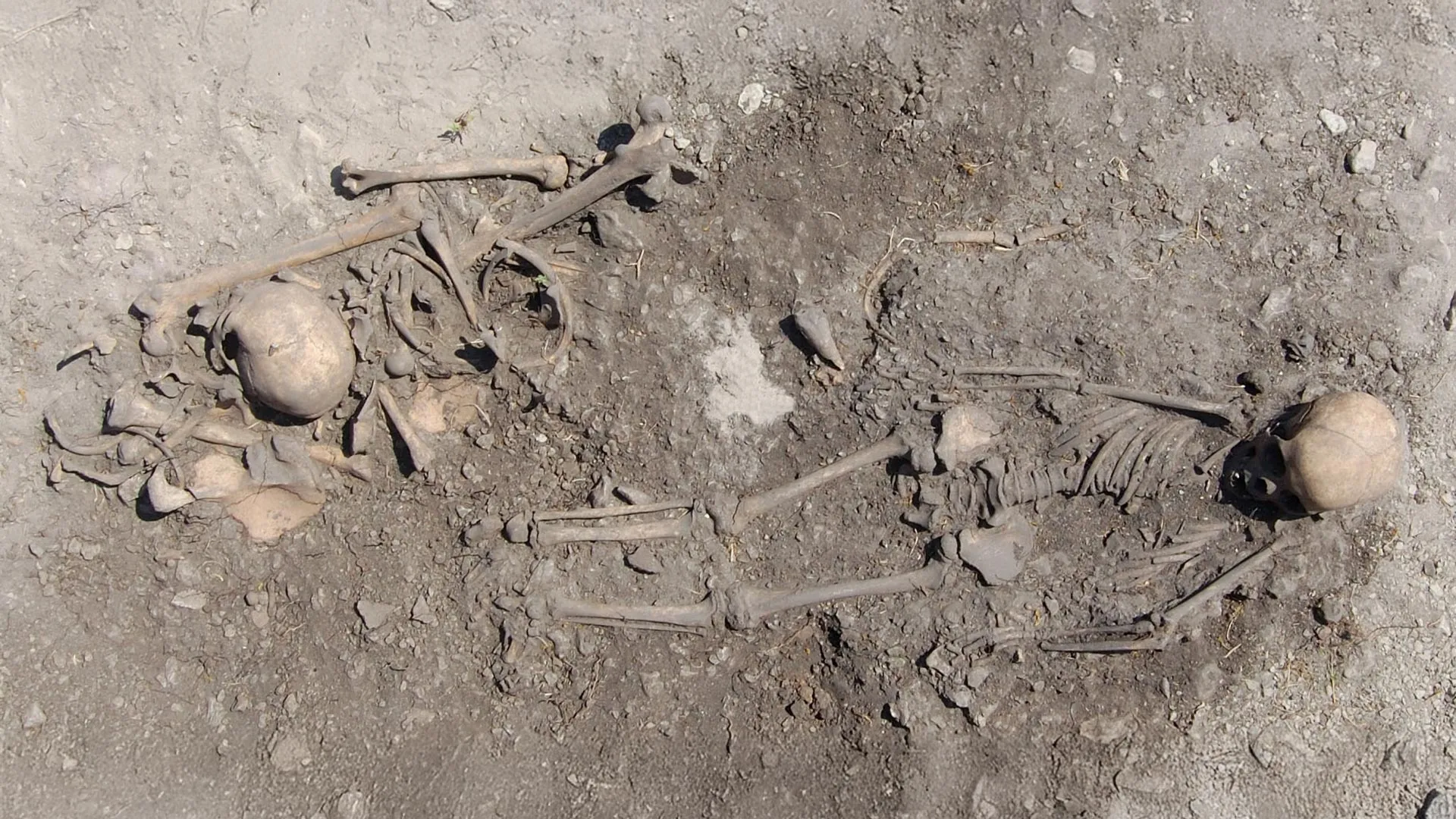
A study by researchers at Uppsala University has uncovered fascinating details about a 5,500-year-old burial site in Ajvide, Sweden. DNA analysis from shared graves indicates complex family structures, with many individuals being second- or third-degree relatives instead of immediate family members. A young woman was buried with two children, who were siblings, but she was not their mother, revealing a focus on extended kinship networks in these communities. Ajvide is recognized as a crucial Stone Age site in Scandinavia. While most of Europe had adopted farming, the hunter-gatherers here were distinct, relying on seals and fishing. The burial ground comprises 85 known graves, with eight containing multiple persons. Among them, one grave contained two children related as cousins, while another housed a father and his daughter. The findings are significant given the rarity of well-preserved hunter-gatherer graves and provide a new understanding of social organization in ancient times. Researchers utilized DNA from teeth and bones to establish kinship and gender, shedding light on these intricate familial connections.

Feb 19, 2026, 1:47 AM · 9 views

Ancient Drought Might Have Ended Hobbit Existence
Science

Ancient Drought Might Have Ended Hobbit Existence

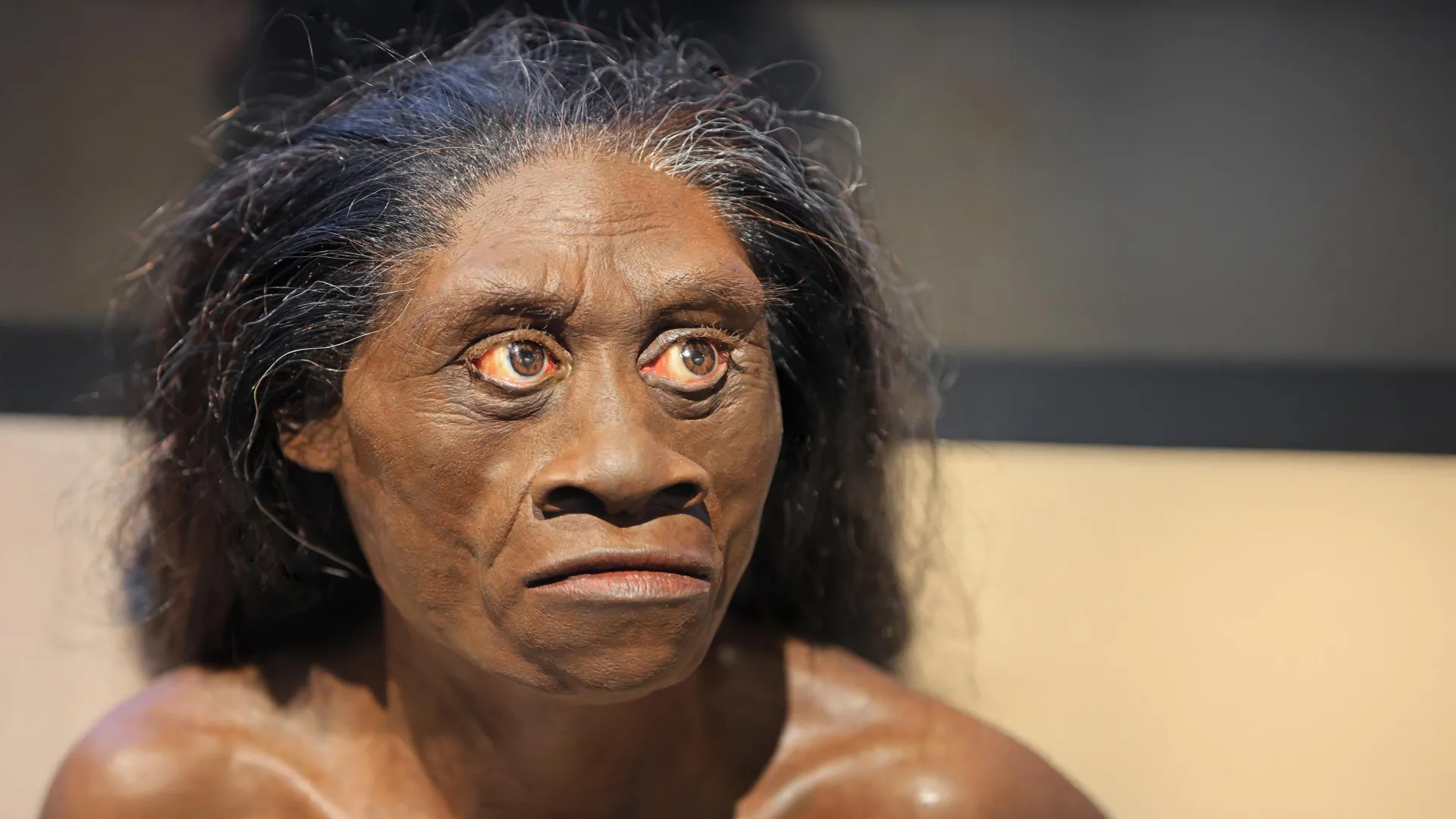
An international team, including scientists from the University of Wollongong, has provided evidence that climate change contributed to the disappearance of Homo floresiensis, the so-called hobbits. Findings published in a scientific journal show they vacated the Liang Bua cave during a severe drought lasting thousands of years. Chemical analysis of stalagmites and fossilized teeth revealed a drying trend starting 76,000 years ago, peaking between 61,000 and 55,000 years ago, coinciding with the hobbits' decline. The drastic reduction in rainfall influenced their ecosystem, causing food and water shortages, exacerbated by the sharp decline in the pygmy elephants they relied on. Surviving amidst ecological stress and potential encounters with migrating modern humans may have sealed their fate.

Feb 19, 2026, 1:15 AM · 14 views

New Forecast Method Identifies Dangerous Scorpion Hotspots
Science

New Forecast Method Identifies Dangerous Scorpion Hotspots

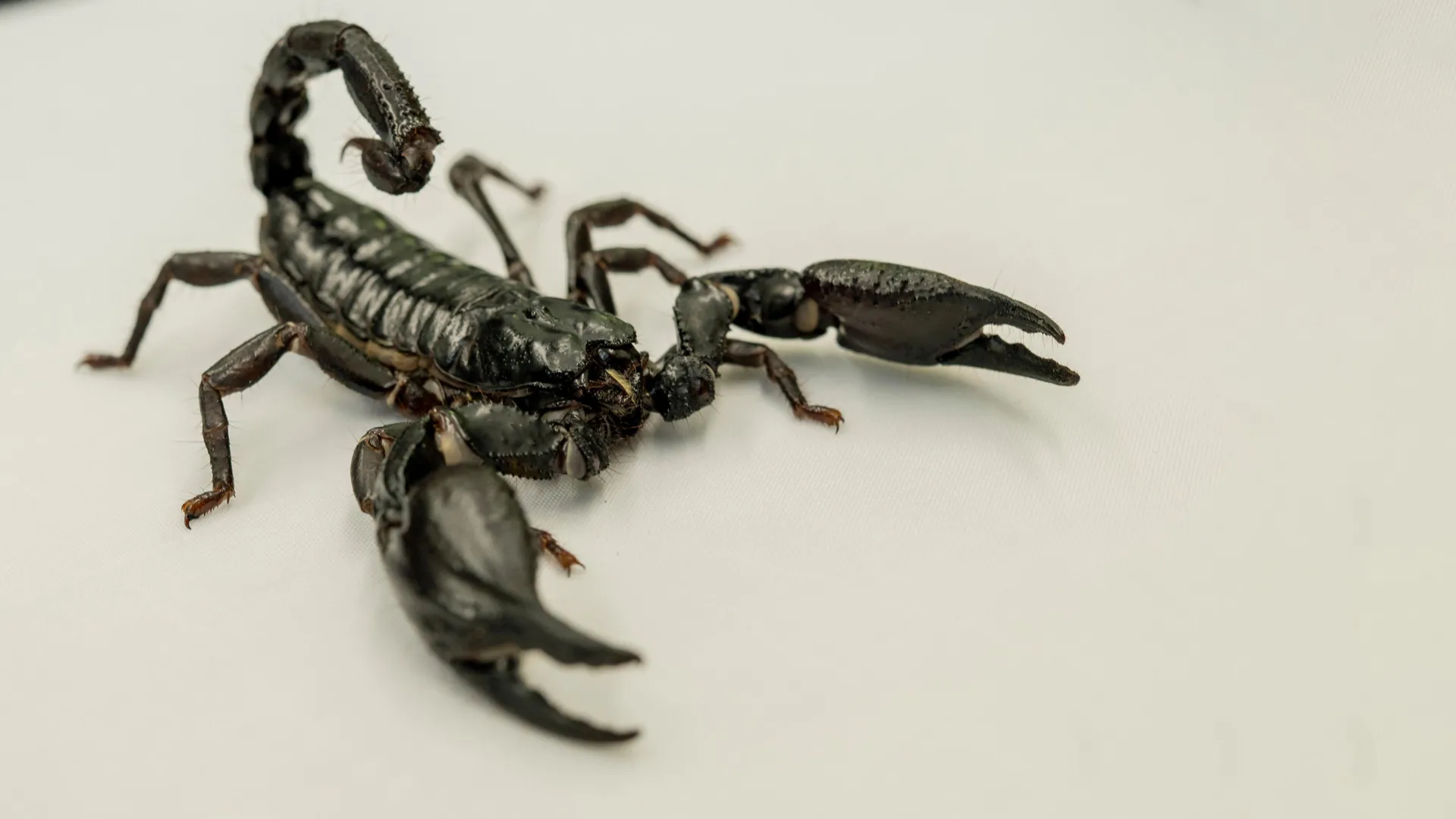
An international team of researchers has developed a powerful new method to forecast hotspots for some of the world's most dangerous scorpion species. Combining fieldwork in Africa with advanced computer modeling, the team found that soil type is the strongest factor shaping scorpion habitats, with temperature patterns also playing a key role. The study, published in Environmental Research Communications, specifically examined central Morocco, a severe scorpion sting region. This research is intended to aid in prevention and improve treatment protocols worldwide, particularly in tropical regions where scorpions pose a significant threat.

Feb 18, 2026, 11:36 PM · 11 views

More to read