Science

Webb Maps Uranus’ Magnetic Field Anomalies
Science

Webb Maps Uranus’ Magnetic Field Anomalies

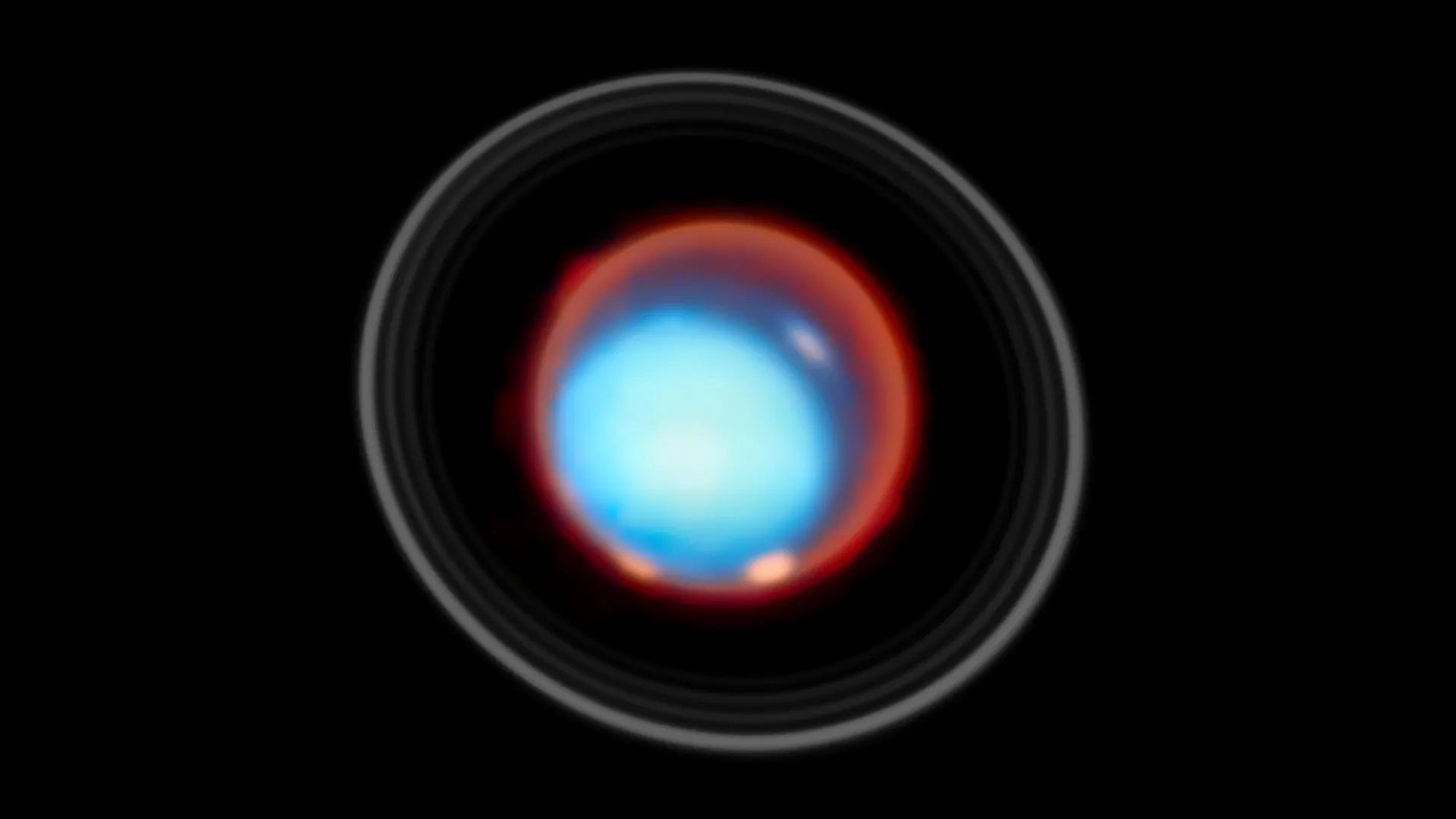
Researchers using the James Webb Space Telescope have successfully mapped Uranus' upper atmosphere in three dimensions, providing unprecedented detail on how temperature and particle densities vary with altitude. Headed by Paola Tiranti from Northumbria University, the team employed Webb's NIRSpec instrument for in-depth observations. The study highlights Uranus' decreasing atmospheric temperature and outlines the chaotic influence of its tilted magnetic field. The data show auroral bands and dark regions that correspond with magnetic fields, enhancing our understanding of ice giants' energy dynamics.

Feb 21, 2026, 2:31 AM · 13 views

Read more
NASA's Hubble Reveals 'Ghost Galaxy' Rich in Dark Matter
Science

NASA's Hubble Reveals 'Ghost Galaxy' Rich in Dark Matter

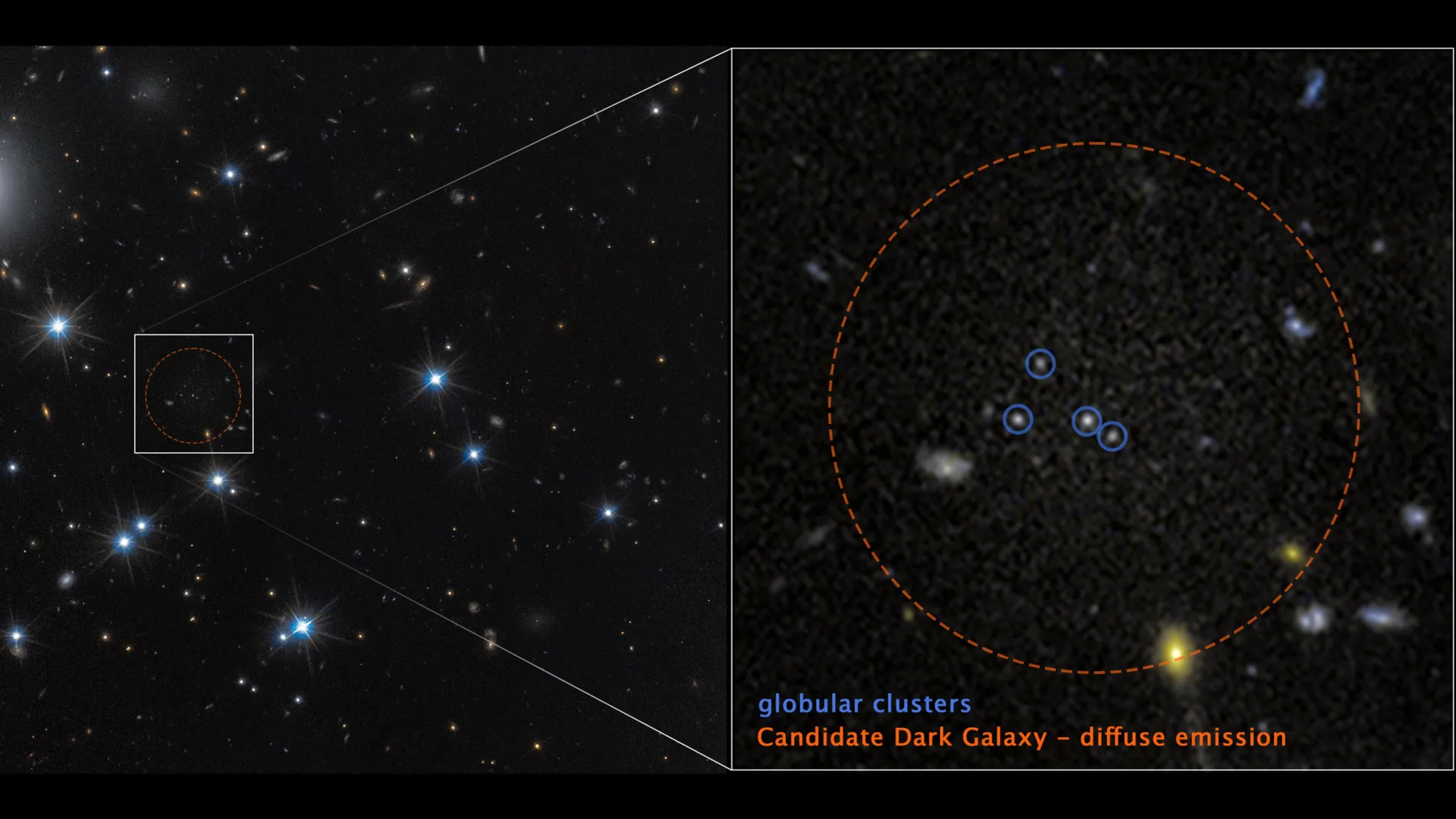
Astronomers discovered a mysterious galaxy, CDG-2, which is mostly composed of dark matter, located 300 million light-years away in the Perseus cluster. Unlike most galaxies detected by their starlight, CDG-2 was identified through globular clusters acting as cosmic markers. David Li and his team employed advanced statistical methods to locate this galaxy by analyzing the dense star clusters. Verification was conducted using observatories including Hubble, Euclid, and Subaru, revealing a faint glow indicating the presence of a hidden galaxy. Early observations suggest CDG-2 is comprised mainly of dark matter, with 99% of its mass hidden from view, making it a significant find in the ongoing search for dark matter galaxies.

Feb 21, 2026, 1:57 AM · 11 views

Galaxy Composed Mostly of Dark Matter Discovered
Science

Galaxy Composed Mostly of Dark Matter Discovered

Astronomers have confirmed the existence of a unique galaxy, CDG-2, which is almost entirely composed of dark matter. Located about 300 million light-years away, this 'dark galaxy' was identified by four globular clusters previously considered independent. Using data from Hubble, Euclid, and Subaru telescopes, scientists observed a faint glow surrounding these clusters, indicating the underlying galaxy. The analysis shows that 99.94 to 99.98 percent of CDG-2's mass is dark matter. Dark galaxies like CDG-2 are rare and provide essential insights into dark matter, a crucial component of the universe's structure.

Feb 20, 2026, 11:58 PM · 13 views

NASA Targets March Launch for Artemis II Moon Mission
Science

NASA Targets March Launch for Artemis II Moon Mission

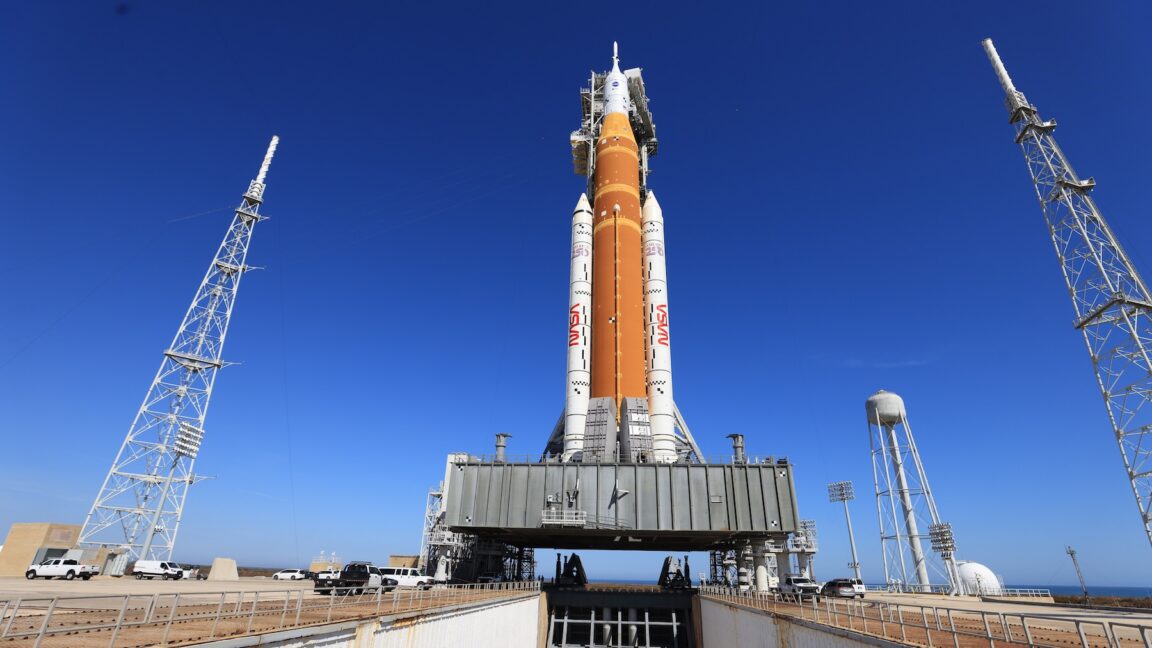
NASA is targeting March 6 for the launch of Artemis II, which would carry four astronauts around the Moon. A successful second fueling test for the Space Launch System has increased confidence in the timeline. Technicians resolved a hydrogen leak issue by replacing faulty seals, ensuring the system could be fully fueled without major leaks. While this keeps the mission on track, NASA officials stress the importance of completing additional 'forward work' before the launch approval. The Artemis II mission aims to test systems for future lunar landings, with a 9 to 10-day journey planned to set records for the farthest human travel from Earth since 1972.

Feb 20, 2026, 11:55 PM · 16 views

Lake Erie's Storm Surges on the Rise
Science

Lake Erie's Storm Surges on the Rise

Lake Erie is experiencing a spike in storm surges, prompting officials to devise innovative methods to safeguard the shoreline from abrupt flooding and extended storm seasons. The winter freeze has transformed the lake into a glacial landscape, with towering ice formations along the shore. Climate change has led to more frequent and intense storms in the region, necessitating proactive measures to mitigate the impact of these extreme weather events.

Feb 20, 2026, 5:15 PM · 13 views

Ancient Fossil Skulls in China Re-dated to 1.77 Million Years
Science

Ancient Fossil Skulls in China Re-dated to 1.77 Million Years

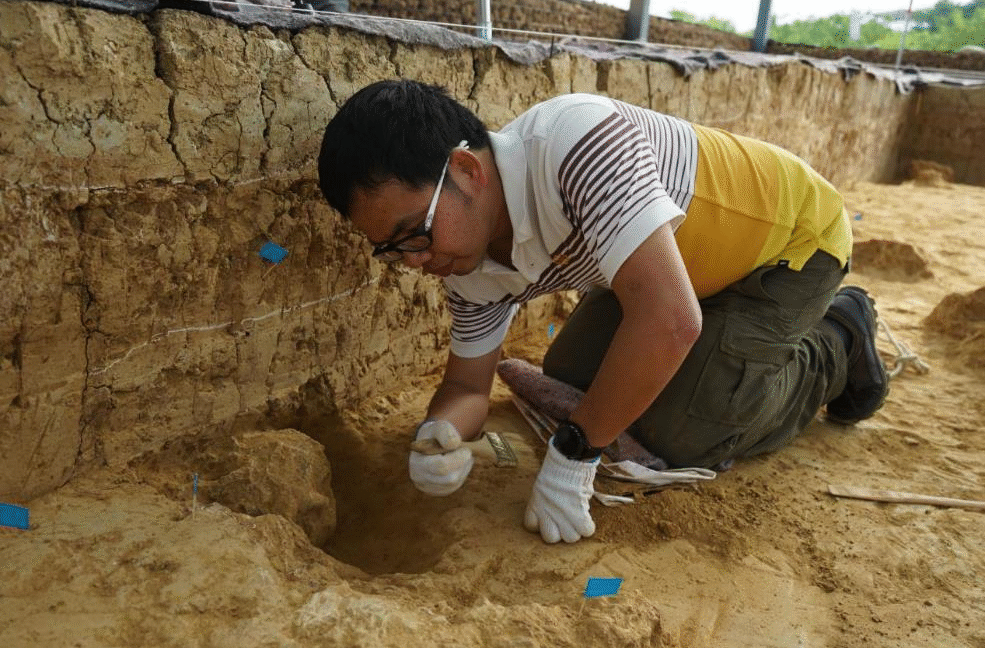
In a groundbreaking study, two ancient skulls discovered in Yunxian, northern China, have been re-dated to approximately 1.77 million years ago. This makes these Homo erectus fossils the oldest hominin remains found in East Asia. Researchers used isotopic analysis of quartz from the sedimentary layers to determine the age, providing crucial insights into the speed and extent of early human migration out of Africa. Previously, it was believed that Homo erectus took over 140,000 years to migrate to East Asia, but this study suggests a much faster spread. The findings also prompt a reevaluation of who might have created the older stone tools found in the region, potentially indicating an even earlier wave of migration.

Feb 20, 2026, 5:03 PM · 22 views

Climate Physicists Work to Perfect Cloud Simulation
Science

Climate Physicists Work to Perfect Cloud Simulation

Cloud simulations have emerged as a crucial challenge in climate science, with their influence on global climate predictions being significant. Physicists like Chris Bretherton and Tapio Schneider are at the forefront of developing innovative strategies to address the complexities of cloud modeling. The use of artificial intelligence and machine learning provides a promising avenue to enhance climate models and achieve greater accuracy in long-term forecasts. Despite the obstacles posed by cloud simulations' intricate nature, researchers are hopeful that advances in technology and computational methods will lead to more precise climate predictions.

Feb 20, 2026, 2:45 PM · 8 views

Exercise May Protect Brain from Cognitive Decline
Science

Exercise May Protect Brain from Cognitive Decline

A study by researchers at UC San Francisco has uncovered a new body-to-brain pathway that highlights the significance of physical exercise in improving cognitive functions. As people age, the blood-brain barrier tends to become more permeable, resulting in increased inflammation and cognitive decline. The study identified the enzyme GPLD1 as a key player in reversing this process. Released by the liver during exercise, GPLD1 acts to remove the harmful protein TNAP from the blood-brain barrier cells, restoring its integrity. This discovery offers promising directions for new Alzheimer's treatments that focus beyond the brain itself.

Feb 20, 2026, 10:19 AM · 10 views

US Research Lab's Plans May Impact Foreign Scientists
Science

US Research Lab's Plans May Impact Foreign Scientists

The US National Institute of Standards and Technology (NIST) is reportedly considering changes that could reduce the involvement of foreign scientists. Lawmakers, including House Democrats, have raised concerns that such changes may adversely affect the institute's ability to attract global expertise crucial for its scientific endeavors. Critics argue that limiting foreign participation could undermine the NIST's global credibility, particularly in areas like AI security guidelines and health technologies. Former NIST director, Pat Gallagher, expressed that changes might erode trust in the institute, which is vital for collaboration with industry and global entities. NIST has stated the proposals aim to protect US scientific assets, but transparency and Congressional input are being demanded before implementing new policies.

Feb 20, 2026, 10:00 AM · 7 views

Why Human Language Differs from Computer Code
Science

Why Human Language Differs from Computer Code

A new study by researchers Michael Hahn and Richard Futrell examines why human language does not mimic the efficiency of computer code. Despite the potential for greater compression, human communication thrives on familiarity and patterns. Language connects us to shared experiences, allowing the brain to predict what comes next and quickly decode meaning. Digital systems might send data faster but lack the intuitive understanding that natural languages provide. This understanding could inform the development of AI and language models, aligning them closer to human communication methods.

Feb 20, 2026, 9:23 AM · 9 views

Stanford Maps Deep Earthquakes in Mantle
Science

Stanford Maps Deep Earthquakes in Mantle

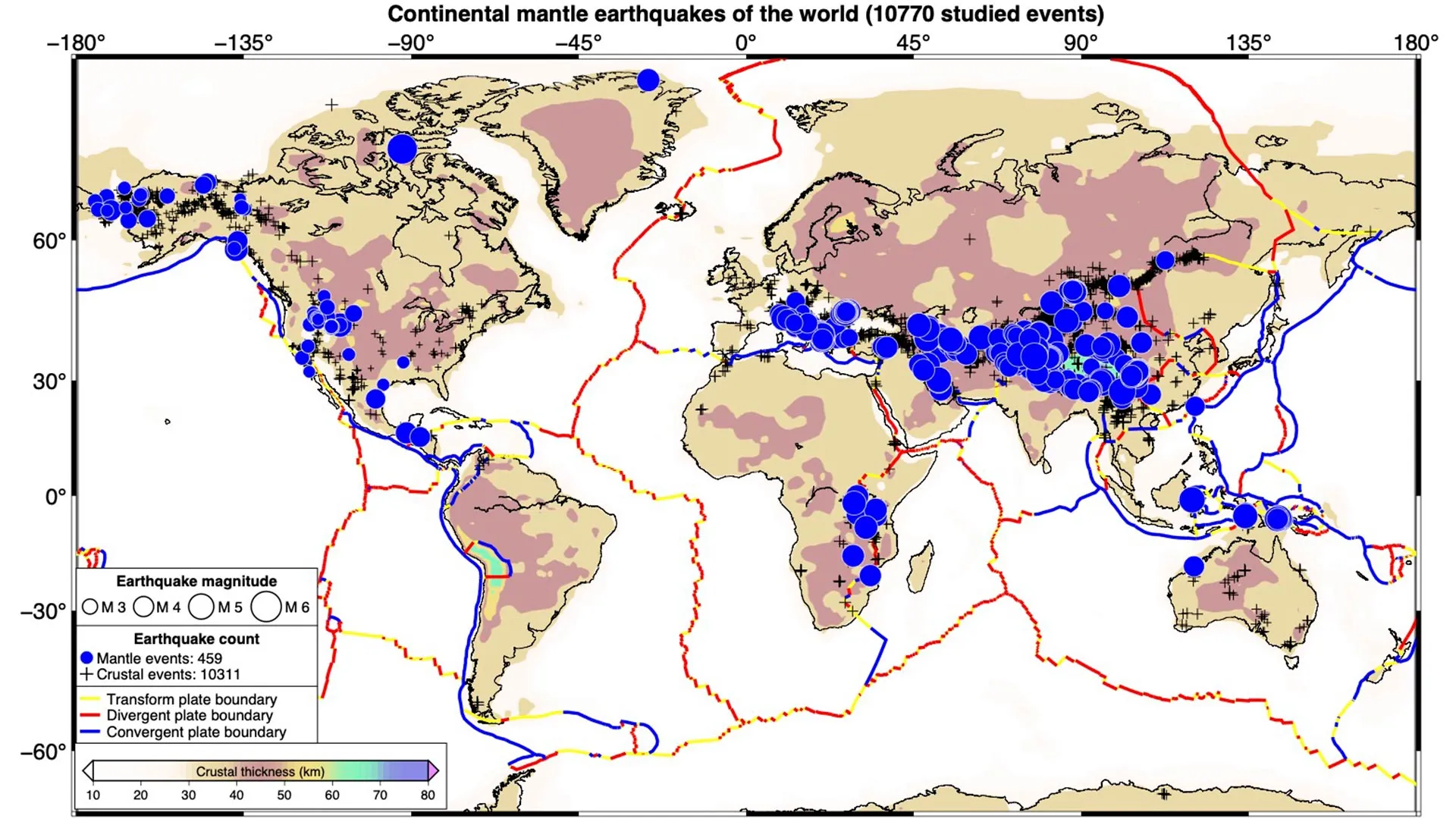
Scientists at Stanford University have achieved a groundbreaking feat by mapping rare mantle earthquakes. By delineating hundreds of these deep tremors, they revealed significant clusters beneath the Himalayas and near the Bering Strait. The research, published in Science on February 5, provides new insights into the crust-mantle boundary and the behavior of Earth's upper mantle. Though these deep-seated earthquakes do not cause damage due to their remote origins, they offer valuable understanding of common earthquake mechanisms. Using innovative seismic wave detection, researchers distinguished mantle quakes from those in the crust. From over 46,000 recorded tremors, they identified 459 mantle earthquakes since 1990. Future studies are expected to further uncover the intricate workings of Earth's geological systems.

Feb 20, 2026, 8:05 AM · 7 views

More to read