
CDC Leadership Uncertainty During Trump's Second Term
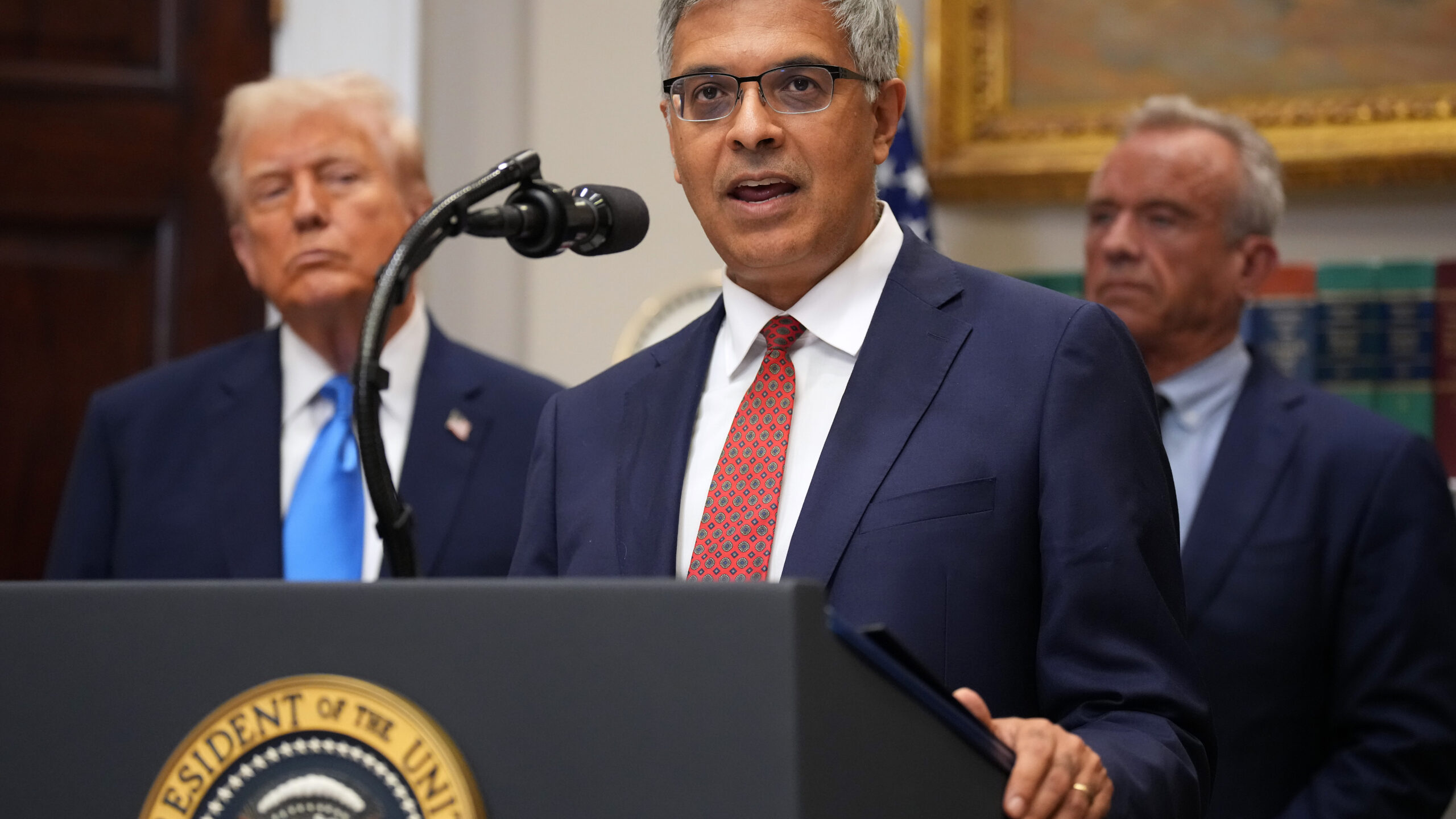
The US Centers for Disease Control and Prevention is experiencing a phase of leadership instability as President Trump enters his second term. Following the departure of acting director Jim O’Neill, Jay Bhattacharya from the National Institutes of Health is temporarily taking on the role. This marks a series of leadership changes that have affected the agency, accompanied by significant staff reductions initiated by Robert F. Kennedy Jr. at Health and Human Services. Previously, Susan Monarez's brief tenure ended abruptly after she was removed for reportedly opposing changes to federal vaccine policies. Her exit sparked further resignations among top CDC officials. Prior to these events, the Trump administration's nominee, Dave Weldon, was withdrawn due to insufficient Senate support. The implementation of a 2023 law requiring Senate confirmation for the CDC director position has added complexity to appointing a permanent leader. White House representative Kush Desai endorsed Bhattacharya's temporary role, citing his expertise but did not provide an expected date for nominating a permanent director. Under the Federal Vacancies Reform Act, Bhattacharya can retain his acting title only until March 25. Experts warn that ongoing uncertainty could impair the country's readiness for health threats. Analysts like Ronald Nahass emphasize the importance of stable leadership to manage national health emergencies effectively, as operations require coordination across diverse geographic locations given the separation of CDC and NIH offices.
Feb 20, 2026, 7:48 PM · 11 views