
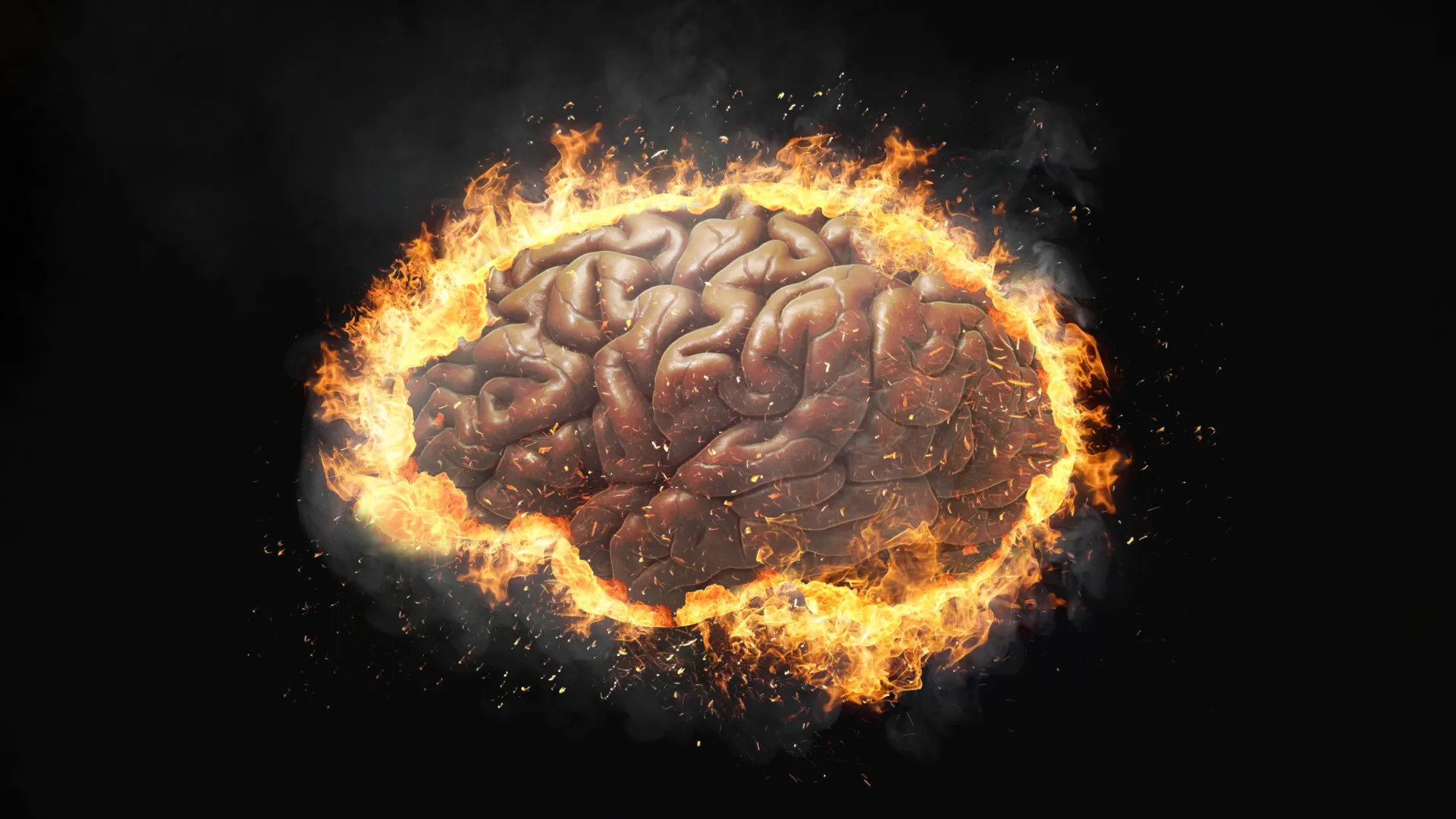
Brain Inflammation Linked to Compulsive Behaviors
Feb 16, 2026, 7:32 AM
en
9 views
TL;DR
Research at the University of Technology Sydney finds brain inflammation may lead to deliberate compulsive behaviors rather than automatic habits. The study suggests new therapeutic avenues for disorders by targeting astrocytes and inflammation.
New research conducted by the University of Technology Sydney challenges the conventional belief that compulsive behaviors are purely automatic and habitual. The study, involving rats, suggests that inflammation in the striatum may lead to more deliberate behaviors. Researchers found that astrocytes, support cells in the brain, multiply and disrupt neural circuits when inflammation occurs, prompting rats to act more deliberately than habitually.
This new perspective could reshape understanding of compulsive disorders such as OCD and gambling addiction. By focusing on astrocytes and their role in neuroinflammation, potential treatments could emerge. Broader anti-inflammatory practices, like regular exercise, might also support recovery.
Senior author Dr. Laura Bradfield and her team see these findings as a call to reconsider existing therapeutic strategies. New interventions could improve treatment outcomes for individuals experiencing compulsive behavioral disorders.
Sources & References
More in Science

Science
NASA Moves Artemis II Rocket for Repairs
Feb 21, 2026 · 25 views

Science
NASA's Artemis II Moon Mission Postponed Due to Rocket Issues
Feb 21, 2026 · 24 views

Science
Astrophysicist Explores Supermassive Black Holes
Feb 21, 2026 · 21 views

Science
Technical Issues Delay NASA's Manned Moon Mission
Feb 21, 2026 · 21 views

Science
Return of Giant Tortoises to Galápagos Island Marks Historic Milestone
Feb 21, 2026 · 23 views

Science
Artemis Rocket Issue Could Delay NASA's Moon Mission
Feb 21, 2026 · 22 views